Experiencing Jaw Pain or Bite Changes? Your Orthodontist Can Help Restore Balance
Jaw pain and bite changes are more common than many people realize. These issues can appear gradually, often starting with minor discomfort and eventually progressing to more noticeable difficulties in chewing, speaking, or maintaining proper oral function. When the bite does not align correctly, it may put extra stress on the jaw joint, leading to persistent jaw discomfort and related symptoms.
Changes in the way the teeth meet are not only frustrating but can also point toward deeper jaw alignment issues. If left unaddressed, these concerns may cause long-term strain on the temporomandibular joint (TMJ), the surrounding muscles, and the teeth themselves. Recognizing early signs of imbalance is essential in preventing further complications.
The Link Between Bite Changes and Orthodontic Imbalance
A stable bite is about more than appearance. It is closely tied to overall oral health and function. Orthodontic imbalance occurs when the upper and lower teeth fail to fit together as they should. This misalignment may lead to uneven pressure during chewing, wearing down certain teeth faster than others, and, over time, contributing to facial strain.
Misaligned bite patterns can take different forms. Some individuals may notice their teeth shifting unexpectedly, which disrupts the way the bite fits together. Others may experience discomfort during daily activities like eating or talking. These bite irregularities are often connected to deeper alignment concerns that need professional evaluation.
Recognizing TMJ Symptoms and Jaw Discomfort
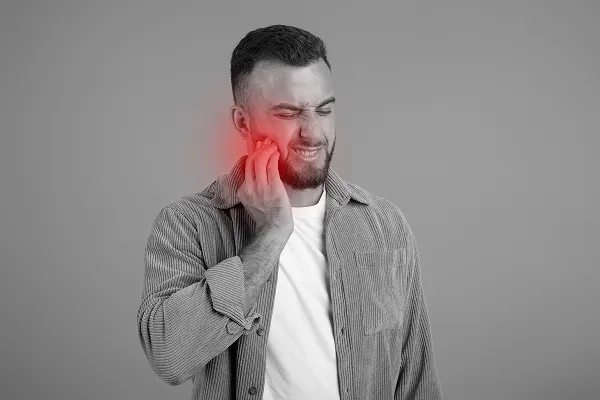
One of the most common results of bite imbalance is stress on the TMJ. The joint acts as a hinge that connects the jaw to the skull and supports smooth movement. When there is a misaligned bite, the TMJ can be forced into unnatural positions, leading to a range of TMJ symptoms.
These may include:
- Persistent jaw pain or stiffness
- Clicking or popping sounds during jaw movement
- Difficulty opening or closing the mouth fully
- Headaches or facial tension caused by jaw strain
These symptoms are the body’s way of signaling that there may be underlying jaw alignment issues requiring attention. Ignoring them often allows the discomfort to worsen and the imbalance to become more difficult to manage.
The Role of an Orthodontic Evaluation
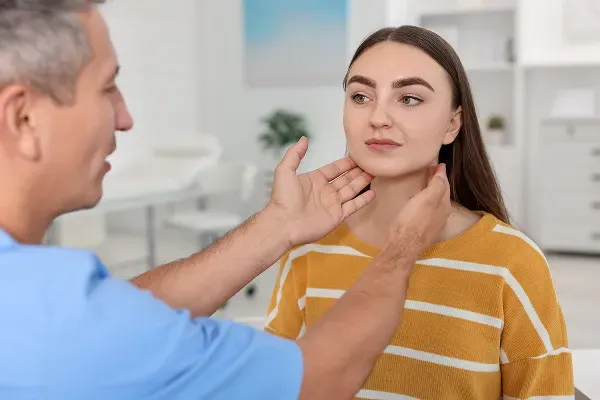
When experiencing persistent jaw discomfort or noticing bite changes, the most reliable step forward is scheduling an orthodontic evaluation. This thorough assessment involves examining how the teeth and jaws fit together, identifying areas of misalignment, and determining whether any structural imbalance is contributing to pain.
An orthodontic evaluation provides clarity about whether the issue is related to shifting teeth, skeletal alignment, or the TMJ itself. Understanding the cause is the first step toward developing a plan for restoring bite balance.
Shifting Teeth and Their Impact on Jaw Alignment
Teeth are not fixed in place for life; they can shift over time due to natural growth, loss of nearby teeth, or lack of retention after previous orthodontic work. Shifting teeth can alter the way the bite functions, even in adults who once had perfectly aligned smiles.
These changes may appear subtle at first but can quickly cause larger problems. For example, if only a few teeth shift, the entire bite can be thrown off balance, putting pressure on the jaw joint and leading to jaw pain or uneven wear on the teeth. Regular monitoring and braces adjustment when necessary can prevent these small changes from developing into more significant alignment concerns.
Bite Correction and Orthodontic Treatment
The good news is that many cases of bite correction can be achieved through orthodontic treatment tailored to the individual’s needs. Braces, aligners, and other orthodontic appliances are commonly used to guide teeth back into proper alignment.
A braces adjustment ensures that the treatment remains on track, correcting even minor imbalances before they progress. In more complex cases, orthodontic care can restore both function and comfort, addressing not only the visible alignment of teeth but also the way the jaw operates during movement.
Orthodontic treatment aims to relieve jaw pain, reduce jaw alignment issues, and restore harmony between the teeth and TMJ. This process helps protect long-term oral health and supports overall facial pain relief by minimizing unnecessary strain on the muscles and joints.
The Importance of Restoring Bite Balance
The phrase “restore bite balance” may sound technical, but its meaning is simple: creating a stable, comfortable relationship between the teeth and jaws. A balanced bite ensures that pressure is evenly distributed, jaw movements are smooth, and the TMJ is not overloaded.
When bite balance is restored, individuals often experience noticeable improvements in everyday comfort. Chewing feels more natural, facial muscles are less tense, and the likelihood of developing further TMJ-related complications decreases significantly. The result is not just better oral function but improved overall well-being.
How Jaw Alignment Issues Affect Daily Life
Living with ongoing jaw alignment issues can impact much more than oral health. A misaligned bite not only changes how teeth fit together, but it can also influence basic daily functions such as chewing, speaking, and even breathing comfortably. For some, jaw discomfort may increase during stressful situations or long conversations, making routine activities more difficult.
The constant strain on the TMJ may also lead to facial pain relief being a daily concern, as surrounding muscles compensate for the imbalance. This added tension can radiate beyond the jaw, sometimes contributing to headaches or neck stiffness. Over time, these challenges reduce overall quality of life, as individuals may avoid certain foods, experience disrupted sleep, or feel self-conscious about changes in their bite.
Addressing these concerns with timely orthodontic treatment and periodic braces adjustment when needed helps correct the imbalance, ensuring smoother jaw movement and improved comfort. By prioritizing bite correction, individuals can reduce long-term strain on the jaw and restore bite balance, allowing everyday activities to feel natural again.
Early Signs That Shouldn’t Be Ignored
Many people dismiss mild jaw pain or occasional bite changes, assuming they will resolve on their own. However, small shifts in the bite or minor jaw discomfort can often be early warning signs of a larger orthodontic imbalance. These subtle changes may indicate that shifting teeth or jaw alignment issues are already affecting oral function.
Ignoring early indicators allows the condition to progress, often leading to more noticeable TMJ symptoms such as clicking joints, headaches, or difficulty chewing. Over time, the strain placed on the jaw can make bite correction more complex and require longer orthodontic treatment. Recognizing these signs early makes it easier to restore bite balance before discomfort escalates.
Conclusion
Jaw pain, bite changes, orthodontic imbalance, TMJ symptoms, misaligned bite, orthodontic evaluation, jaw discomfort, bite correction, braces adjustment, orthodontic treatment, shifting teeth, jaw alignment issues, orthodontist for jaw pain, facial pain relief, and restoring bite balance are all interconnected aspects of oral health that deserve close attention. When discomfort or changes in bite arise, they are signals that the underlying balance may be off.
Addressing these concerns through timely orthodontic care can relieve pain, restore bite harmony, and prevent further complications. If you are experiencing ongoing jaw pain or noticing that your bite no longer feels natural, seeking an orthodontic evaluation is the most effective way to restore balance and protect long-term comfort.
Resource:
Don’t Try to Fix It at Home: Let Your Orthodontist Handle Poking Wires Safely
*This media/content or any other on this website does not prescribe, recommend, or prevent any treatment or procedure. Therefore, we highly recommend that you get the advice of a qualified dentist or other medical practitioners regarding your specific dental condition*
More To Explore