Recovery Timeline After Jaw Surgery: What to Expect
Dr. Hoss Abar
While preparing for Pinole surgical orthodontic treatment, one of the first questions you may have is how long recovery after jaw surgery will take. It is normal to feel concerned about swelling, eating, speaking, time away from daily routines, and how your bite will feel while your jaws heal. Jaw surgery, also called orthognathic surgery, may be part of treatment when jaw alignment concerns cannot be corrected with braces alone.
At Abar Orthodontics in Pinole, Dr. Hoss Abar and the orthodontic team help patients understand that recovery is part of a larger orthodontic process. The goal is not only to heal after surgery, but also to guide the bite into a more stable position over time. For patients searching for a Pinole orthodontist, understanding the recovery timeline can make the full surgical orthodontic journey feel more manageable.
What Happens During Jaw Surgery Recovery
Jaw surgery, also known as orthognathic surgery, is a specialized medical procedure performed by an oral and maxillofacial surgeon to correct misaligned jaws and facial bone irregularities. Jaw surgery recovery happens in stages. Every patient heals differently, but the early recovery period often includes swelling, soreness, limited jaw movement, and a modified diet. These changes are expected because the jawbones, muscles, bite, and surrounding tissues need time to adjust after surgery.
The oral surgeon manages the surgical healing instructions, while your orthodontist monitors bite changes and appliance comfort. This teamwork matters because surgery changes the jaw position, but orthodontic follow-up helps refine how the teeth fit together after healing begins.
Many patients are surprised to learn that braces or orthodontic appliances may still be needed after surgery. This is normal in many surgical orthodontic cases. Surgery improves jaw position, while orthodontics helps fine-tune the bite for long-term stability.
Early Healing Signs Patients May Notice
- Swelling around the jaw, cheeks, or lower face.
- Temporary soreness, tightness, or jaw stiffness.
- A soft or modified diet during early healing.
- Changes in speech while the mouth adjusts.
- Follow-up visits with surgical and orthodontic teams.
- Bite changes as the jaws heal in position.
- Gradual return to school, work, or daily routines.
These early signs can feel frustrating, especially for patients who want to return to normal quickly. Following post-surgical instructions and keeping orthodontic visits can help reduce uncertainty and support smoother healing.
The First Few Days After Surgery
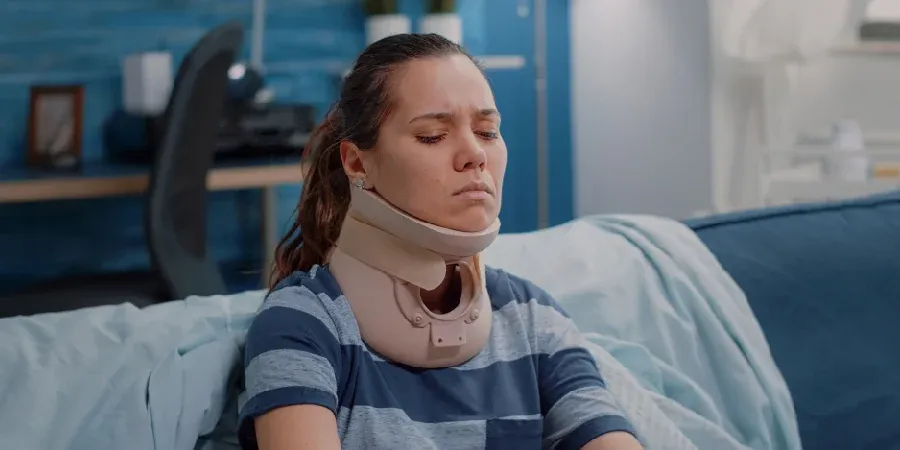
The first few days after jaw surgery are usually focused on rest, swelling control, hydration, and careful oral hygiene. Patients may feel tired, swollen, and limited in how widely they can open their mouth. Eating may require softer foods or liquids, depending on the surgeon’s instructions. Speaking may also feel different at first, especially while the jaw and surrounding muscles adjust.
This early stage requires patience. Patients should avoid comparing their recovery to someone else’s because the type of jaw surgery, bite condition, overall health, and treatment plan can all affect healing. ABAR Orthodontics helps patients understand how orthodontic appliances may feel during early recovery and when orthodontic adjustments may continue.
One to Four Weeks
During the first month, swelling often begins to reduce and daily routines may become easier. Patients may still need to follow food texture instructions and avoid hard chewing until cleared by the surgical team. Some patients notice that their bite feels unfamiliar, uneven, or different during this period. That does not always mean something is wrong. It often means the jaws, teeth, and muscles are adjusting to a corrected relationship.
Orthodontic follow-up is important during this stage because surgery changes the jaw foundation, but the bite still needs observation. Your orthodontist may check how the teeth are meeting, whether appliances feel comfortable, and whether elastics or other orthodontic guidance are needed. According to the American Association of Oral and Maxillofacial Surgeons, corrective jaw surgery can help move the jaws and teeth into positions that are more balanced and functional. That is why recovery and follow-up care are important parts of the full treatment process.
Four to Eight Weeks
Many patients begin feeling more stable around four to eight weeks after jaw surgery, although deeper healing continues beyond that point. This stage is important because the jaw position has changed, but the teeth may still need orthodontic refinement to fit together correctly. At ABAR Orthodontics, the orthodontic team checks bite progress and helps guide patients through the adjustment phase.
This is also when many patients begin feeling more confident. Swelling may continue to improve, speech may feel easier, and the bite may start feeling more natural. Still, it is important not to rush chewing, activity, or appointment spacing. A strong recovery depends on following professional instructions, communicating concerns early, and allowing the orthodontic process to continue at the right pace.
Helpful Recovery Habits
- Keep all orthodontic and surgical follow-up visits.
- Follow food texture instructions carefully.
- Maintain gentle oral hygiene as directed.
- Wear elastics only if and how instructed.
- Report unusual pain, bite changes, or appliance issues.
- Avoid rushing back into hard chewing too quickly.
These habits may seem simple, but they can make recovery feel smoother. Surgical orthodontic treatment depends on teamwork between the patient, orthodontist, and oral surgeon.
Long-Term Bite Refinement
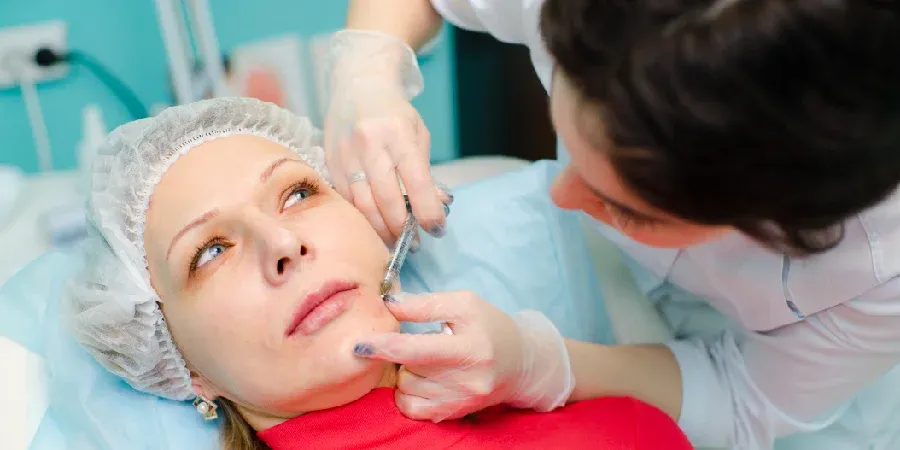
After the early healing phase, orthodontic treatment usually continues. This stage focuses on refining how the teeth meet after the jaws have been repositioned. Some patients wonder why braces are still needed after surgery. The answer is that surgery corrects jaw position, while orthodontics finishes the bite details. Even small tooth movements can affect chewing comfort, bite balance, and long-term stability.
This is where the full value of Surgical Orthodontics becomes clearer. Treatment is not one single event. It includes orthodontic preparation, surgical coordination, recovery, bite refinement, and retention. Each stage supports the final goal of improved jaw function and a more stable bite.
Patients who are adults or older teens may also benefit from learning about Adult Orthodontics when they are exploring complex bite correction. Adult orthodontic care focuses on alignment, bite health, and treatment planning for patients whose growth is complete. This can be especially relevant when jaw surgery is being considered as part of a larger orthodontic plan.
Jaw Surgery Recovery Timeline
| Recovery Stage | What Patients May Notice | Orthodontic Focus |
|---|---|---|
| First few days | Swelling, soreness, rest, modified diet | Monitor appliance comfort and bite concerns |
| Week 1–2 | Gradual adjustment to speaking and eating | Observe early bite changes |
| Week 3–4 | Swelling may reduce, routines improve | Check healing and bite progress |
| Week 4–8 | Jaw may feel more stable | Begin or continue bite adjustments |
| 2–6 months | Daily function may feel more normal | Refine tooth position and bite contact |
| 6–12 months | Final orthodontic detailing may continue | Support stability and retention planning |
Conclusion
The recovery timeline after jaw surgery is an important part of surgical orthodontic treatment in Pinole. Patients usually move through early rest, swelling reduction, gradual function improvement, bite checks, orthodontic refinement, and long-term retention. While each case is different, clear guidance can make the process easier to understand and manage. At ABAR Orthodontics, patients receive step-by-step support before and after surgery so the bite can heal and improve with proper planning.
Contact your Orthodontist in Pinole, Dr. Hoss Abar, at ABAR Orthodontics today to learn more about the Recovery Timeline After Jaw Surgery: What to Expect.
Resource
FAQ
Still have a Question? Contact Us
Early healing often takes several weeks, but orthodontic refinement may continue for months afterward.
More To Explore