Braces vs Surgical Orthodontics: Key Differences Explained
Dr. Hoss Abar
Orthodontic treatment in Pinole has advanced significantly over the years, giving patients more options to correct bite problems, improve alignment, and create healthier smiles. For many people, braces alone are enough to straighten teeth and improve bite function. However, some patients have jaw related issues that go beyond what traditional orthodontic treatment can correct. In these situations, surgical orthodontics may become part of the treatment plan.
Understanding the difference between braces and surgical orthodontics is important for patients who have been told they have a complex bite problem or skeletal jaw discrepancy. While both treatments aim to improve oral function and smile appearance, they address different levels of correction and involve very different treatment processes. This article explains how braces and surgical orthodontics compare, when each is appropriate, and what patients should expect throughout treatment.
Understanding Traditional Braces
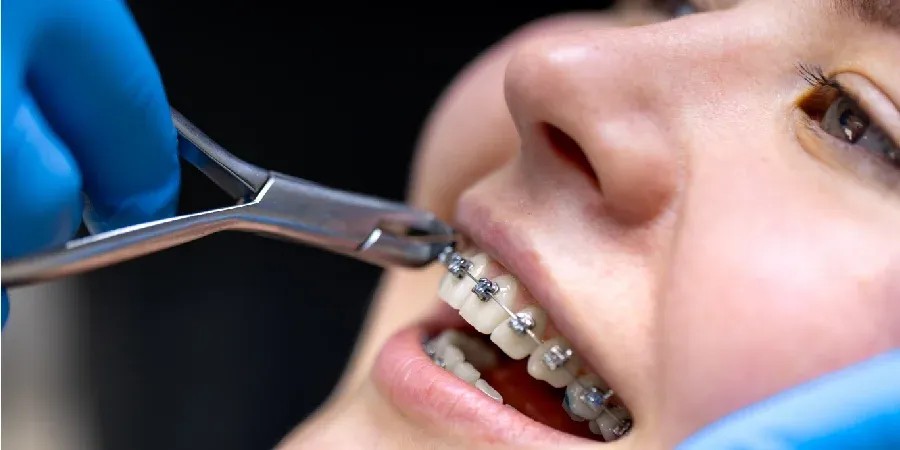
Traditional braces are one of the most common orthodontic treatments in Pinole used to straighten teeth and improve bite alignment. Braces use brackets, wires, and controlled pressure to gradually move teeth into more ideal positions over time. They are highly effective for correcting crowded teeth, spacing problems, mild bite irregularities, and certain alignment concerns.
Braces primarily address dental alignment problems, meaning the issue comes from tooth positioning rather than the structure of the jaw bones themselves. In many cases, orthodontic treatment alone can create substantial improvements in both appearance and oral function without the need for surgery.
Patients often choose braces because they are well established, predictable, and suitable for a wide range of orthodontic concerns. Modern braces may also be paired with digital planning and newer technologies that improve comfort and treatment precision.
Understanding Surgical Orthodontics
Surgical orthodontics, also referred to as orthognathic surgery, combines orthodontic treatment with jaw surgery to correct skeletal jaw discrepancies. This treatment is recommended when the underlying issue involves the size, position, or symmetry of the jaw bones rather than only the alignment of the teeth.
In surgical orthodontics, braces are still used before and after surgery to align the teeth properly. However, surgery is required to physically reposition the upper jaw, lower jaw, or both into a healthier functional relationship. The goal is to improve chewing, speech, breathing, facial balance, and overall bite stability.
Surgical orthodontics is generally considered for patients whose jaw growth is complete and whose bite problems cannot be corrected effectively with braces alone. These cases often involve severe underbites, significant overbites, open bites, facial asymmetry, or airway related jaw positioning concerns.
Common Conditions Each Treatment Addresses
Problems Commonly Treated with Braces
Traditional braces are typically recommended for:
- Crowded teeth
- Small gaps between teeth
- Mild overbite or underbite
- Rotated teeth
- Mild bite misalignment
- General cosmetic alignment improvements
Problems That May Require Surgical Orthodontics
Surgical orthodontics may be necessary for:
- Severe skeletal underbite
- Significant jaw asymmetry
- Open bite caused by jaw structure
- Severe overbite with skeletal discrepancy
- Jaw positioning affecting breathing or chewing
- Bite problems that braces alone cannot stabilize
Side by Side Comparison
| Feature | Braces | Surgical Orthodontics |
|---|---|---|
| Corrects tooth alignment | Yes | Yes |
| Corrects jaw bone position | No | Yes |
| Surgery required | No | Yes |
| Common treatment length | 1 to 3 years | Often 2 to 3 years total |
| Hospital stay involved | No | Yes |
| Recovery period | Minimal | Several weeks after surgery |
| Used for skeletal jaw issues | Limited | Yes |
| Improves facial balance | Mildly | Often significantly |
| Suitable for severe bite discrepancies | Sometimes | Yes |
When Braces Alone May Be Enough
Braces are usually appropriate when the alignment problem is primarily dental rather than skeletal. Patients whose jaws are proportionate but whose teeth are crowded, rotated, or mildly misaligned often achieve excellent results with orthodontic treatment alone.
Pinole orthodontists evaluate how the upper and lower teeth fit together, jaw positioning, facial structure, and bite stability before recommending treatment. In mild to moderate cases, braces may fully correct the issue without requiring surgical involvement.
Braces also remain a strong option for younger patients whose jaw growth is still developing because certain bite problems can sometimes be guided more effectively during growth phases.
When Surgical Orthodontics May Be Necessary
Pinole Surgical orthodontics becomes more appropriate when the jaw bones themselves are causing the bite problem. Braces can move teeth, but they cannot reposition the jaw bones into a healthier anatomical relationship. In these situations, surgery helps address the structural root of the issue instead of simply compensating around it.
Patients who experience difficulty chewing, chronic jaw discomfort, speech concerns, facial imbalance, or sleep-related breathing problems may require a surgical evaluation. Surgical orthodontics can also improve long term bite stability when severe skeletal discrepancies are present.
Conclusion
Braces and surgical orthodontics both play important roles in improving bite function, alignment, and smile aesthetics. The key difference is that braces primarily correct tooth positioning, while surgical orthodontics addresses underlying skeletal jaw discrepancies that cannot be corrected with orthodontics alone.
For patients with mild to moderate dental alignment concerns, braces may provide excellent results without surgery. For those with significant jaw imbalances affecting function, comfort, or facial harmony, surgical orthodontics treatment in Pinole may offer the most complete and stable long term solution.
Contact your orthodontist in Pinole, Dr. Hoss Abar, at Abar Orthodontics today to learn more about Braces vs Surgical Orthodontics: Key Differences Explained.
Resource
More To Explore