Step-by-Step Surgical Orthodontic Treatment Process
Dr. Hoss Abar
If your bite does not feel balanced, your jaws do not meet properly, or chewing and speaking feel uncomfortable, braces alone may not always correct the full problem. Pinole surgical orthodontic treatment is designed for patients whose concerns involve both tooth position and jaw alignment. This type of care combines orthodontic planning with corrective jaw surgery coordination to improve how the teeth, jaws, and facial structure work together.
At Abar Orthodontics, surgical orthodontic treatment is approached with careful planning, patient education, and step-by-step guidance. Many patients feel uncertain when they first hear that jaw surgery may be part of treatment, but the process is not rushed. The goal is to help patients understand what happens before, during, and after treatment so they can feel more confident about their care decisions.
Understanding When Surgical Orthodontics May Be Needed
Pinole Surgical orthodontics, also called orthognathic orthodontic treatment, may be recommended when the jaw structure affects the bite, facial balance, or daily function. Some patients have an underbite, overbite, open bite, crossbite, or jaw asymmetry that cannot be corrected with orthodontic movement alone. In these cases, orthodontics helps position the teeth, while surgery helps reposition the jaws.
This treatment is usually considered once jaw growth is complete, because surgical planning depends on stable bone development. Adults and older teens may benefit when jaw alignment problems interfere with chewing, speech, breathing comfort, or long-term bite stability. The process begins with detailed records, digital imaging, diagnosis, and a clear discussion about realistic treatment goals.
For many patients, the biggest frustration is not knowing why their bite feels “off” even after previous orthodontic care. Surgical orthodontics helps address deeper jaw-related concerns rather than only focusing on tooth alignment. When the upper and lower jaws do not fit together correctly, the teeth may wear unevenly, the bite may feel unstable, and facial balance may be affected over time.
Key Signs Your Bite Needs Evaluation
Before treatment begins, your orthodontist looks for signs that tooth movement alone may not solve the issue. These signs do not always mean surgery is required, but they may show that a more detailed orthodontic and jaw evaluation is needed.
Common reasons patients ask about treatment include:
- Difficulty biting, chewing, or closing the teeth together evenly.
- A lower jaw that appears too far forward or too far back.
- An open bite where the front teeth do not touch.
- Facial imbalance or visible jaw asymmetry.
- Speech concerns linked to jaw or bite position.
- Jaw discomfort caused by an unstable bite.
- Long-term orthodontic relapse after previous treatment.
If these concerns sound familiar, the next step is not to assume treatment. The right step is a professional consultation.
The Complete Treatment Process
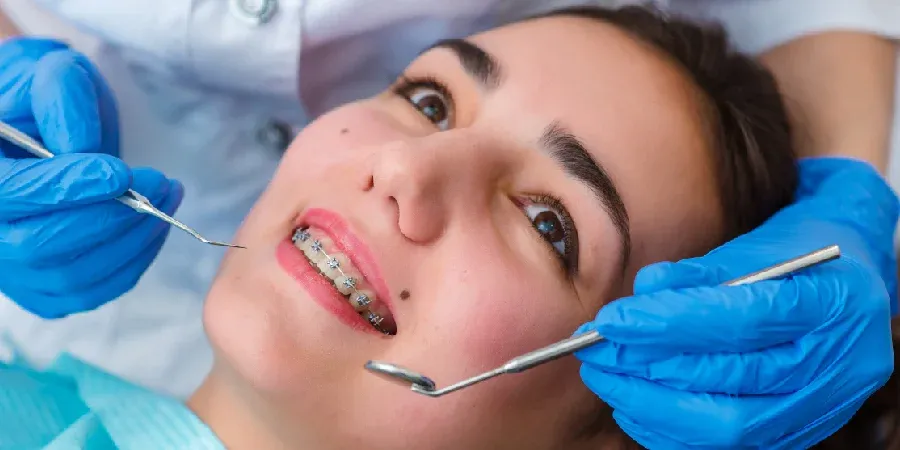
Surgical orthodontic in Pinole usually happens in three main phases: orthodontic preparation, corrective jaw surgery coordination, and post-surgical bite refinement. During the preparation phase, braces or another orthodontic appliance may be used to move the teeth into positions that support the future jaw correction. This can feel different from regular orthodontic treatment because the teeth are being aligned for the corrected jaw relationship, not only the current bite.
Once the teeth are ready, the orthodontist works with an oral and maxillofacial surgeon to finalize the surgical plan. Digital imaging, models, photographs, and bite records may help guide this coordination. After surgery, the healing phase begins, followed by additional orthodontic adjustments to fine-tune the bite. The final stage usually includes retainers to help maintain the result.
This step-by-step approach is important because jaw alignment affects more than appearance. A stable bite can support chewing comfort, speech clarity, tooth protection, and long-term orthodontic results. For patients searching for surgical orthodontic treatment in Pinole, understanding the full process can reduce stress and help them make more informed decisions.
Consultation and Records
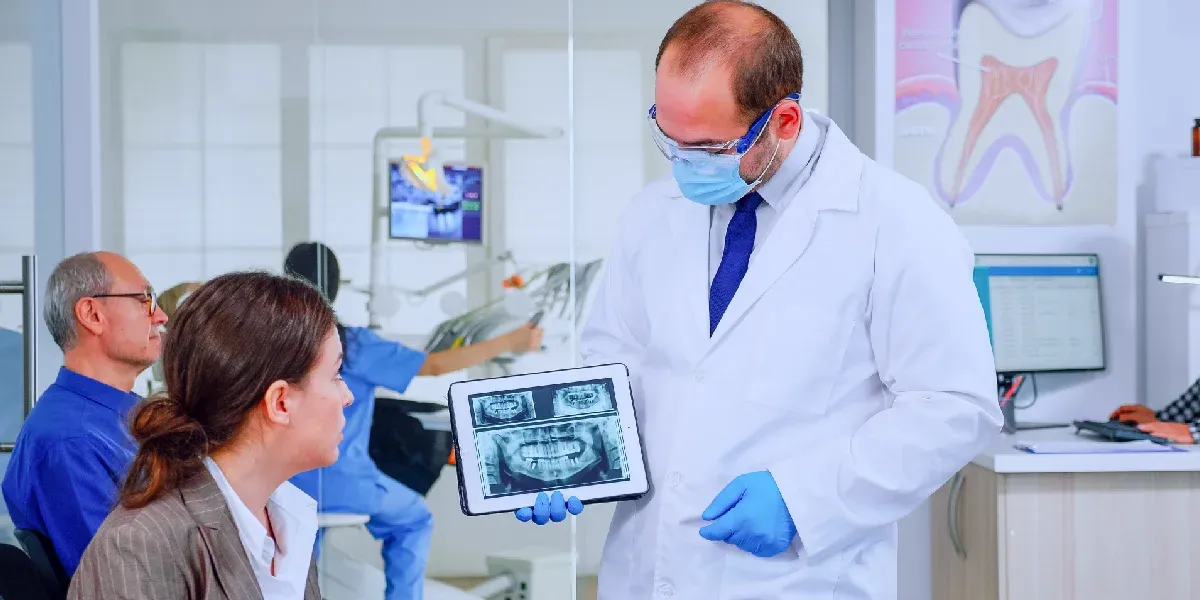
The first appointment is focused on understanding your concerns, reviewing your bite, and collecting the information needed for diagnosis. This may include digital scans, X-rays, photographs, bite analysis, and a discussion about your dental and medical history. Your orthodontist evaluates how the teeth fit together, how the jaws relate to each other, and whether orthodontic treatment alone may be enough.
This visit is also a chance for patients to ask direct questions. Many people want to know how long treatment may take, whether surgery is always necessary, what recovery may involve, and how the orthodontist and surgeon communicate. A clear consultation helps reduce anxiety because it replaces guesswork with a structured plan. No treatment should begin until the patient understands the purpose, sequence, and expected role of each phase.
Orthodontic Preparation Before Jaw Surgery
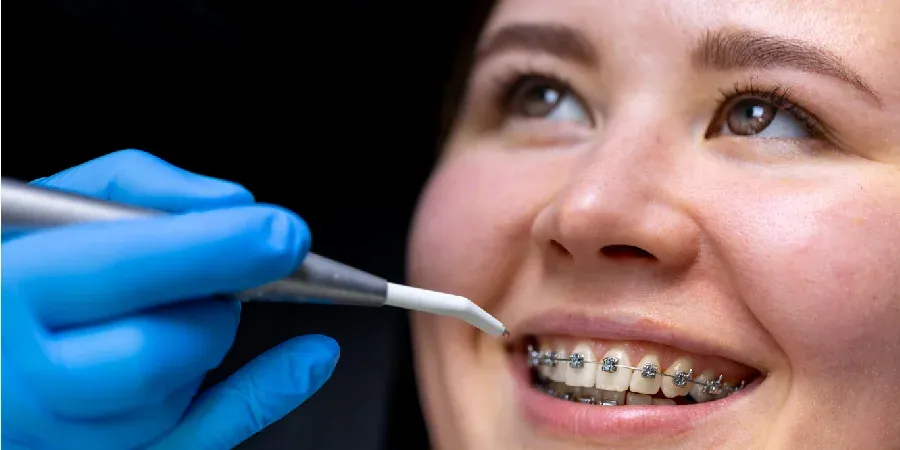
The preparation phase is one of the most important parts of surgical orthodontic treatment. During this stage, braces are commonly used to align the teeth before jaw correction. The goal is not only to make the teeth look straighter, but also to place them in the right position for the jaws after surgery. This is why surgical orthodontic planning is different from routine braces treatment.
What Happens During This Stage
During the orthodontic preparation phase, the teeth are gradually moved into their ideal positions to ensure the jaw surgery can achieve the best possible functional and aesthetic outcome. Some of the most important things to consider during this stage are listed below:
- Braces or orthodontic appliances are placed and adjusted.
- Teeth are aligned for the future jaw position.
- Progress records are taken throughout treatment.
- The orthodontist monitors bite changes carefully.
- Surgical readiness is reviewed with the oral surgeon.
- Patients receive guidance before the surgery phase.
Surgery and Recovery Coordination
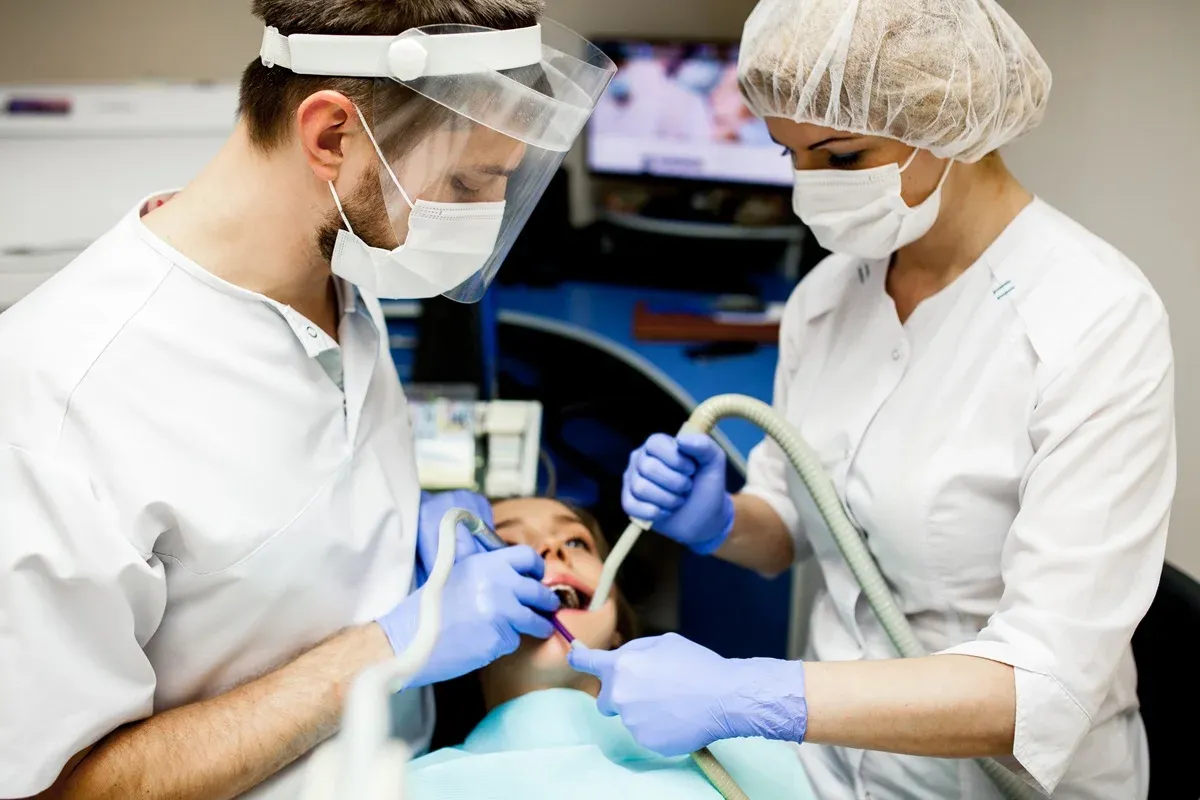
Once orthodontic preparation is complete, the oral and maxillofacial surgeon performs the corrective jaw surgery according to the coordinated plan. The exact type of surgery depends on the patient’s needs. Some cases involve the upper jaw, some involve the lower jaw, and some involve both. The purpose is to improve jaw position so the bite can function more comfortably and predictably.
After surgery, patients follow recovery instructions from the surgical team. The pinole orthodontist remains involved because the bite still needs refinement as healing progresses. Patients may have temporary swelling, diet changes, and activity limits during recovery. This stage can feel overwhelming, so clear communication matters. The orthodontist and surgeon work together to make sure healing and orthodontic finishing stay aligned with the treatment plan.
Final Bite Refinement and Retention
After the jaw has healed enough for continued orthodontic adjustment, the final refinement phase begins. This part of treatment focuses on improving how the teeth come together after the jaw position has been corrected. Even small adjustments can make a meaningful difference in bite comfort, chewing function, and long-term stability.
The orthodontist may adjust wires, elastics, or appliances to guide the teeth into their final positions. This stage requires consistency from the patient, especially if elastics or specific instructions are part of the plan. Skipping appointments or not following guidance may slow progress, so communication and cooperation are important.Once treatment is complete, retainers are used to help maintain the new alignment.
Why Step-by-Step Planning Matters
| Step | What Happens | Why It Matters |
| Consultation | Evaluate the teeth, bite, and jaw alignment. | Determines the right treatment approach. |
| Treatment Planning | Create a personalized treatment plan. | Helps patients understand each stage of care. |
| Orthodontic Phase | Align the teeth before and after surgery. | Prepares and refines the final bite. |
| Jaw Surgery | Reposition the jaw if needed. | Improves function, bite, and facial balance. |
| Follow-Up Care | Monitor healing and provide retainers. | Maintains long-term treatment results. |
Conclusion
The surgical orthodontic treatment in Pinole process is carefully planned from the first consultation to the final retainer stage. It begins with understanding your bite, continues with orthodontic preparation, moves into coordinated jaw surgery when needed, and finishes with detailed bite refinement. For patients facing jaw imbalance, chewing difficulty, facial asymmetry, or complex bite concerns, this treatment can provide a structured path toward better function and confidence.
Contact your orthodontist in pinole, at Abar Orthodontic today to learn more about the Step-by-Step Surgical Orthodontic Treatment Process.
Resource
More To Explore